Li Shan Gao Shan 梨山高山

4.8
★★★★★
4 ratings

Add to Wishlist

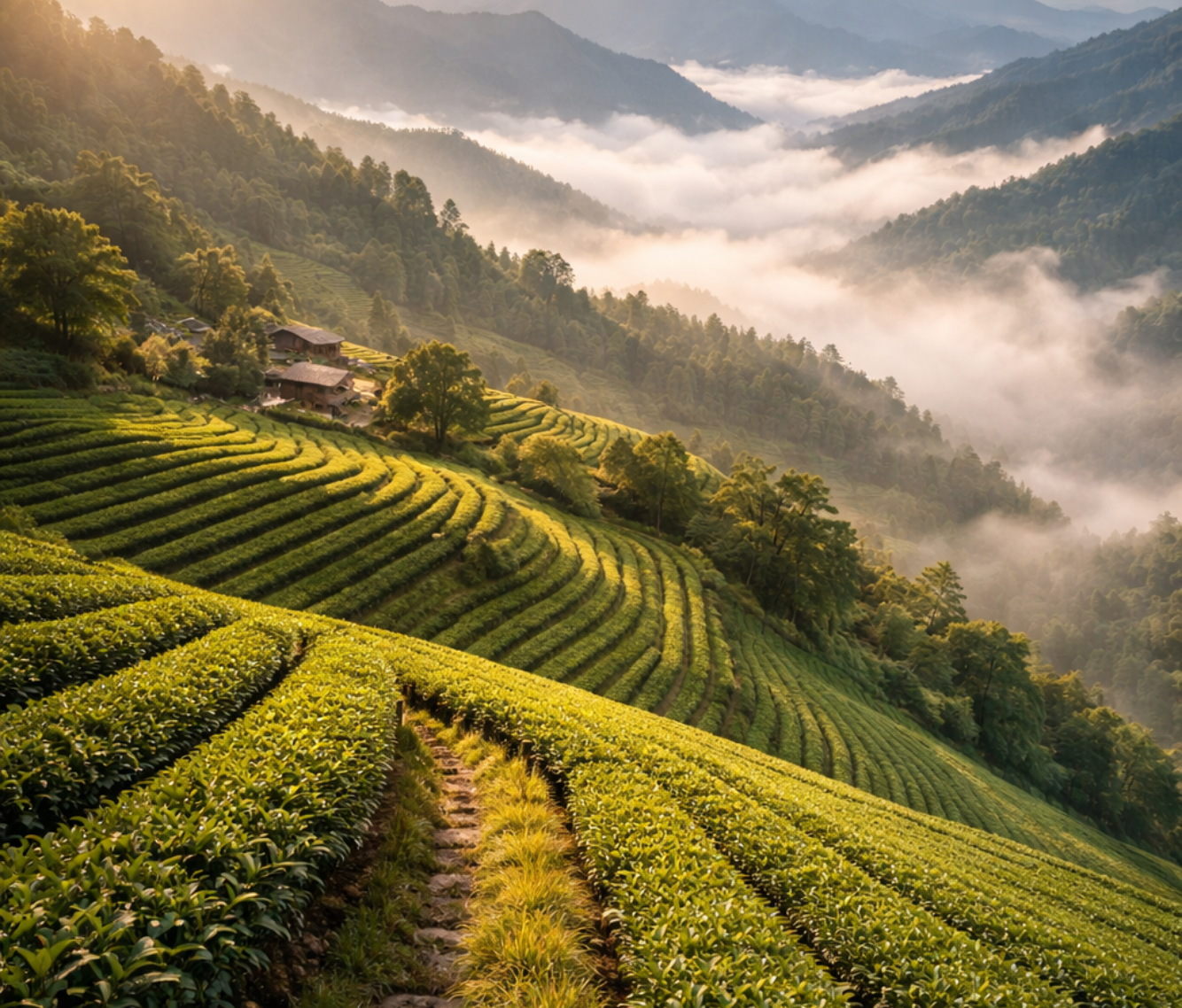
Amidst Li Shan’s lush highland slopes and crisp mountain air, this tea slowly develops its distinct floral fragrance, subtly infused with the spirit of the altitude.

Amidst Li Shan’s lush highland slopes and crisp mountain air, this tea slowly develops its distinct floral fragrance, subtly infused with the spirit of the altitude.

FACTS ABOUT THE TEA

Name

Li Shan Gao Shan 梨山高山

English Name

Li Shan High Mountain Tea

Type of Tea

Oolong

Harvest Date

Winter Harvest (Late October – early December)

Origin

Taiwan

Shelf Life

At its best within 18–24 months

Caffeine Level​

3/5
Tasting Notes

COMMUNITY REVIEWS

Lorem ipsum dolor sit amet, consectetur adipiscing elit. Vestibulum varius neque blandit eros malesuada pharetra in ac nisl. Integer iaculis lectus sit amet orci placerat, in posuere diam congue. Cras tincidunt dictum luctus. Nulla laoreet neque venenatis ipsum accumsan imperdiet. Vestibulum mi lectus, vehicula ac elit ut, maximus bibendum 1
April 29, 2026 11:58 pm
Lorem ipsum dolor sit amet, consectetur adipiscing elit. Vestibulum varius neque blandit eros malesuada pharetra in ac nisl. Integer iaculis lectus sit amet orci placerat, in posuere diam congue. Cras tincidunt dictum luctus. Nulla laoreet neque venenatis ipsum accumsan imperdiet. Vestibulum mi lectus, vehicula ac elit ut, maximus bibendum velit.2
April 29, 2026 11:58 pm
Lorem ipsum dolor sit amet, consectetur adipiscing elit. Vestibulum varius neque blandit eros malesuada pharetra in ac nisl. Integer iaculis lectus sit amet orci placerat, in posuere diam congue. Cras tincidunt dictum luctus. Nulla laoreet neque venenatis ipsum accumsan imperdiet. Vestibulum mi lectus, vehicula ac elit ut, maximus bibendum velit.3
April 29, 2026 11:58 pm
Lorem ipsum dolor sit amet, consectetur adipiscing elit. Vestibulum varius neque blandit eros malesuada pharetra in ac nisl. Integer iaculis lectus sit amet orci placerat, in posuere diam congue. Cras tincidunt dictum luctus. Nulla laoreet neque venenatis ipsum accumsan imperdiet. Vestibulum mi lectus, vehicula ac elit ut, maximus bibendum velit.
April 29, 2026 11:58 pm

Good

Amit
January 15, 2026

Good

Amit
January 15, 2026

No comments yet.

4.8
★★★★★
4 ratings
★★★★★
3
★★★★☆
1
★★★☆☆
0
★★☆☆☆
0
★☆☆☆☆
0
4.8
★★★★★
4 ratings
★★★★★
3
★★★★☆
1
★★★☆☆
0
★★☆☆☆
0
★☆☆☆☆
0
Long Description

Have a sip of the crisp, floral essence of Li Shan, where the majestic peaks of Pear Mountain in Taiwan nurture the cultivation of some of the world’s finest oolong teas. Nestled high in the Jade Mountain range, these teas offer a harmonious blend of floral and fruity notes, a testament to Li Shan’s unique climate to produce exceptional teas. 

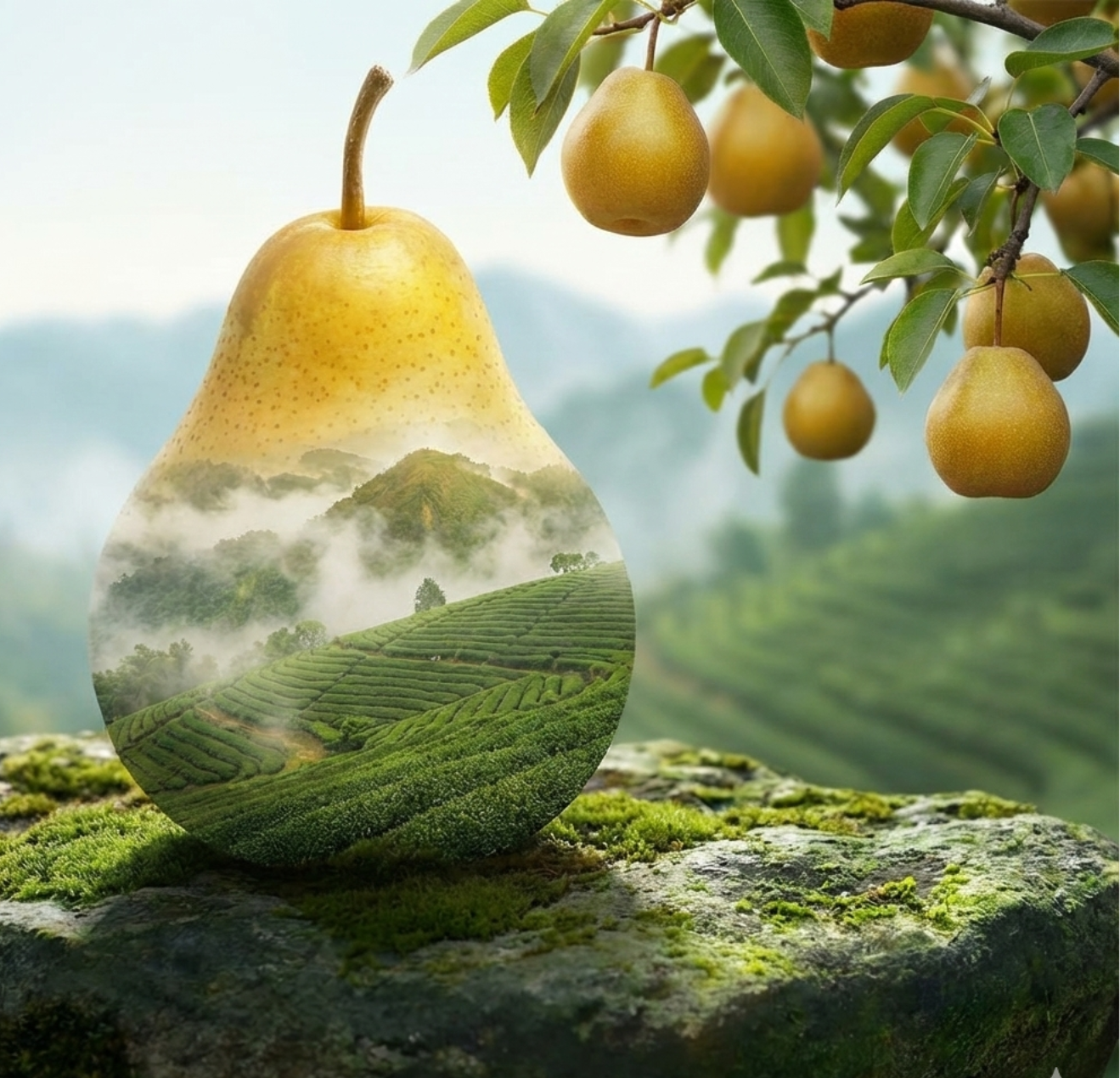
How Did It Get Its Name? A Literal and Poetic Description - The Jewel of the Pear Mountain.

The name "Li Shan" (梨山) translates directly to "Pear Mountain." It is not named for the tea itself, but for its majestic origin—the Li Shan mountain range in Taichung, Taiwan. This is a place so high and pristine, it's more commonly associated with growing famous, crisp pears and apples than tea.

When you drink Li Shan High Mountain Tea, you are tasting the very essence of this remote, alpine environment.

Origin & History: A Tea Shaped by Journey

Liu Bao's history dates back over 1,500 years to the Tang Dynasty, but it rose to prominence in the Qing Dynasty. Its story is inextricably linked to its journey.

Located near the Xi River, Liu Bao tea was a local staple. In the 19th century, it found a new purpose. Chinese immigrants from Guangdong and Guangxi, seeking work in Southeast Asia (the Nanyang region), brought this tea with them. They discovered that the dense, compressed tea bricks survived the long, humid sea voyages perfectly.

Upon arrival in the hot, humid mines and rubber plantations of Malaysia, the tea revealed its true genius. The laborers found that drinking Liu Bao tea, which had subtly transformed during the voyage, helped them cope with the damp, heat, and strenuous labor. It was cooling, hydrating, and soothing to the digestive system. This "journey of fermentation" across the South China Sea was crucial in developing the tea's signature mellow character, creating a style known as "Nanyang" (Southeast Asian) stored Liu Bao.

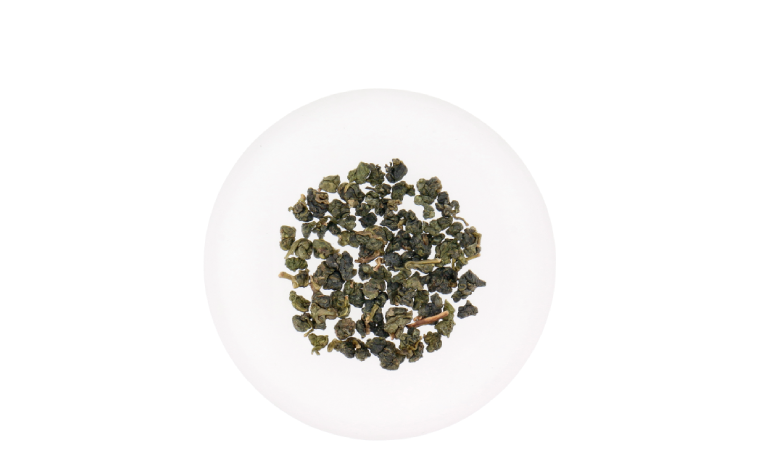
The Leaves: A Visual Promise

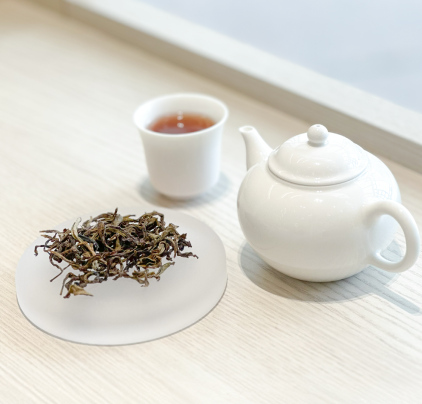
Dry Leaf: The processed leaves are tightly rolled into small, dark green pellets, often with a bluish tint. They feel heavy and dense for their size. You may notice a slight, silvery fuzz on the leaves, a sign of high-quality, young buds.

Wet Leaf: After brewing, the leaves unfurl to reveal their true nature—thick, fleshy, and brilliantly green, often with a vibrant, intact red edge (a sign of a light, masterful oxidation)

Curated for You​

Explore our most-loved creations​